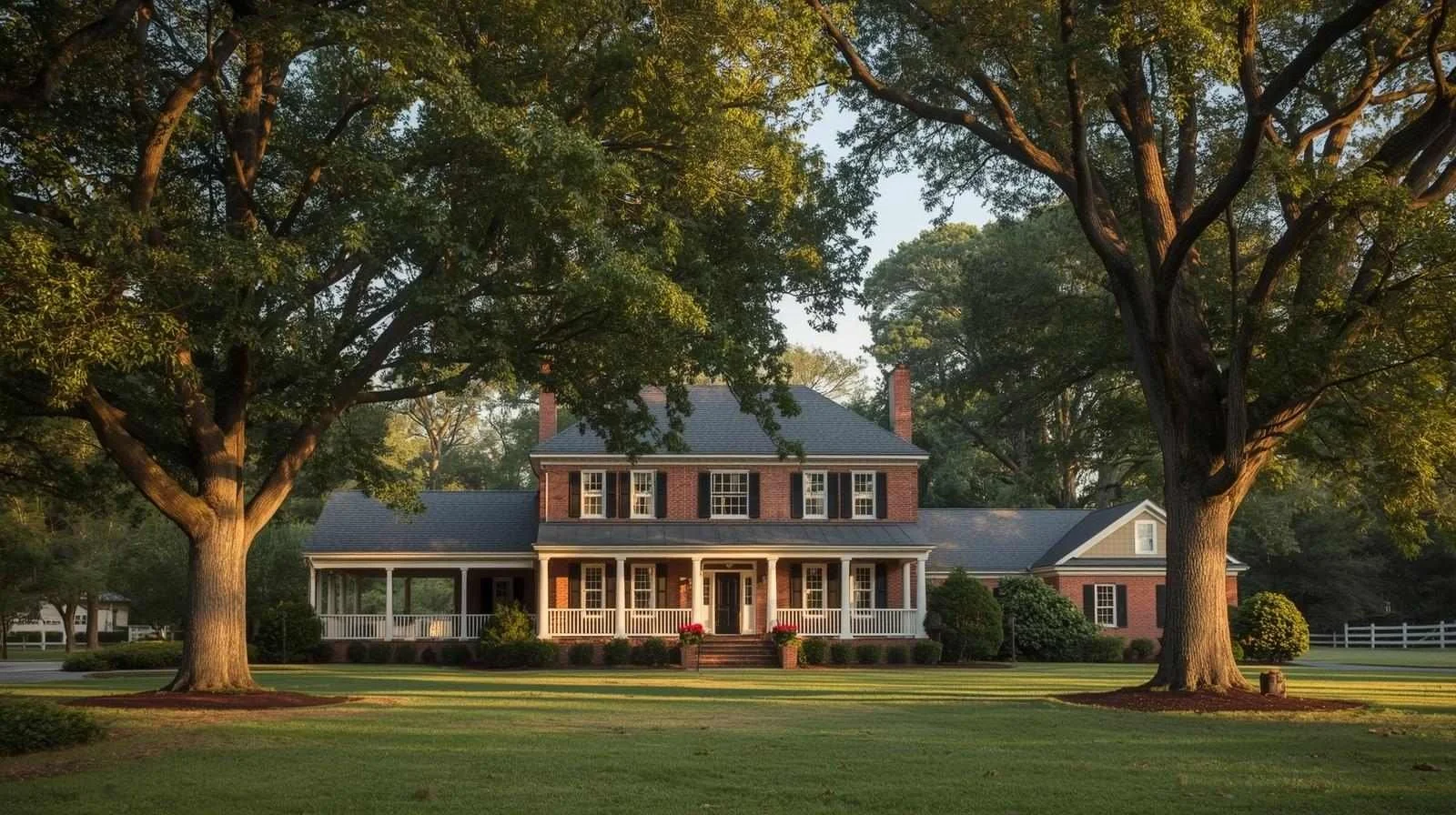
Estate homes across Rockingham, Guilford, Forsyth, and Stokes counties — Delia Knight, REALTOR® | Howard Hanna Allen Tate Real Estate
By Delia Knight, REALTOR® | Howard Hanna Allen Tate Real Estate
TL;DR:
When a homeowner dies in NC, what happens to the house depends on how the property was titled, whether there's a will, and whether the estate must go through probate. Understanding the process early helps your family make informed decisions — without added pressure.
First: Does the Home Have to Go Through Probate?
Not every home in North Carolina has to pass through the formal probate process. The answer depends entirely on how the property was titled at the time of death.
If the home was held jointly with right of survivorship — as many married couples hold property — ownership typically passes directly to the surviving owner without court involvement. The same is true for property placed in a living trust or covered by a properly drafted life estate deed. In those situations, the home transfers outside of probate entirely. Worth knowing: North Carolina doesn't offer transfer-on-death deeds for real estate the way many other states do, so that particular route isn't available here.
But if the property was titled solely in the deceased person's name — with or without a will — it generally must go through probate before it can be sold or transferred to heirs.
If you'd rather see the whole picture in one place — your options as an heir, what the selling process involves, and the questions heirs ask most — Selling an Inherited Home in the Piedmont Triad covers it end to end.
What Is Probate in NC?
Probate is the legal process through which the court validates a will (if one exists), appoints an executor or administrator, and authorizes the orderly transfer of assets. In North Carolina, probate is handled through the Clerk of Superior Court in the county where the deceased lived.
If a valid will names an executor, that person takes on the legal responsibility for managing the estate. If there's no will, the court appoints an administrator — typically the closest next of kin. Either way, that person has the authority to manage, maintain, and — when the time is right — sell the estate's real property.
Who Gets the House: Will, No Will, or Joint Ownership
If the deceased left a valid will, the house passes to whoever is named as beneficiary. That sounds straightforward, but the estate still goes through supervised administration before the property can be transferred or sold. The executor works through the Clerk of Superior Court to clear title, settle outstanding debts, and handle any taxes owed by the estate. The beneficiary may be named in the will, but the property isn't legally theirs to act on until that process runs its course.
When there's no will, NC intestate succession law determines who gets the house. The formula depends on your family structure — a surviving spouse and children share in a specific proportion set by state law, and more distant relatives step in when closer heirs aren't present. The court appoints an administrator, typically the closest next of kin, to manage the estate in place of an executor. An estate attorney can confirm exactly how the formula applies to your situation, especially when blended families or multiple heirs are involved.
If the home was held jointly with right of survivorship, placed in a living trust, or covered by a life estate deed, it bypasses probate entirely. Ownership transfers automatically to the surviving owner or named beneficiary without court involvement. This is one of the most significant ways property titling affects what happens after a death — and it's why reviewing how a home is titled can save your family significant time and cost. Once you know what you're working with, understanding the selling process becomes much clearer.
Who Is Responsible for the Home During Probate?
Once appointed, the executor or administrator is responsible for maintaining the property throughout the process. That means keeping up with insurance, utilities, property taxes, and basic upkeep. A home that sits empty and neglected for months can lose value quickly — and for rural properties, older farmhouses, and estate homes across Rockingham, Guilford, Forsyth, and Stokes counties, the difference between a well-maintained and a neglected property is significant at sale time.
Sell, Transfer, or Rent: What Are Your Options?
Once the estate has legal authority to act, three paths are typically available: sell the home, transfer it to an heir, or rent it. Selling is the most common outcome when heirs don't plan to live in the property or when the estate needs to settle outstanding debts. If you're not sure which direction makes sense for your family, What to Do When You Inherit a House in the Piedmont Triad walks through the full decision process in detail.
In many cases, the home can be listed for sale before probate is fully closed — though the final closing typically requires court authorization. Getting a clear sense of market value early is a smart first step; you can request a free home value estimate to see what the property might realistically bring in today's market. For a full walkthrough of the selling process once the estate is ready, How to Sell an Inherited Home in the Piedmont Triad covers each step in detail.
If you're considering a property in the Reidsville area, exploring the Reidsville real estate market gives useful context for what buyers in that market are currently looking for.
How Long Will This Take?
Probate timelines in NC vary. A clear will, no disputes, and straightforward debts can move through the process in four to six months. More complex estates — or those without a will — often take considerably longer. Working with an estate attorney alongside a real estate professional who understands the process is the most reliable way to keep things moving in the right direction.
You Don't Have to Navigate This Alone
A real estate agent isn't a substitute for an estate attorney — and you'll need one for the legal side of this. But a knowledgeable agent helps you prepare the property appropriately, understand the local market, and manage the sale in a way that reflects your family's best interests. Estate families across the Piedmont Triad have trusted me with some of their most important decisions, and I take that responsibility seriously.
If you're dealing with an estate property and aren't sure where to start, I'm glad to have a no-pressure conversation. Reach out anytime at homes@deliaknight.com or 336-643-2573.
FAQs
Q: What happens to a house when someone in your family dies without a will in NC?
A: Without a will, the property passes through intestate succession under NC law, and the court appoints an administrator — usually the closest next of kin — to manage the estate. The home cannot be sold or transferred until that administrator has formal legal authority to act. Consulting an estate attorney early in the process helps prevent unnecessary delays.
Q: How long does your family have to decide what to do with an inherited home in NC?
A: There's no hard legal deadline for making a decision, but delays carry real costs — property taxes, insurance, and maintenance add up quickly on a vacant home. Most families move toward a resolution within the first year of opening probate. If you're weighing your options in Rockingham County, you can explore current listings and market conditions on the Reidsville community page to get a sense of where values stand.
Q: Does your inherited home in NC always have to go through probate?
A: Not always. If the home was held jointly with right of survivorship, placed in a living trust, or had a life estate deed in place, it may transfer to the new owner without going through probate. How the property was titled at the time of death is the determining factor — an estate attorney can confirm which path applies to your situation.
Q: Can your family sell an estate home before probate is complete in NC?
A: In many cases, yes — the home can be listed and even go under contract during probate, but the final closing typically requires court authorization before it can close. Starting the process early gives your family more flexibility. If you're considering selling an estate property in the Greensboro area, the Greensboro real estate page is a useful starting point for understanding what buyers in that market are looking for.
Q: How do you find the right real estate agent to sell your inherited home in the Piedmont Triad?
A: The right agent for an estate sale is someone who listens first and moves at your family's pace — not someone pushing for a quick close. Experience with inherited properties matters, but so does patience and clear communication when multiple family members are involved. If you'd like a no-pressure conversation about where to start, I'm always glad to talk.
More on Probate & Inherited Property
By Delia Knight, REALTOR® | Howard Hanna Allen Tate Real Estate
Delia Knight | Piedmont Triad, NC REALTOR® | Howard Hanna Allen Tate Real Estate
2215 Oak Ridge Rd., Oak Ridge, NC 27310
336-643-2573 | homes@deliaknight.com | DeliaKnight.com