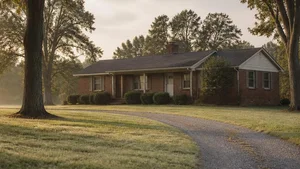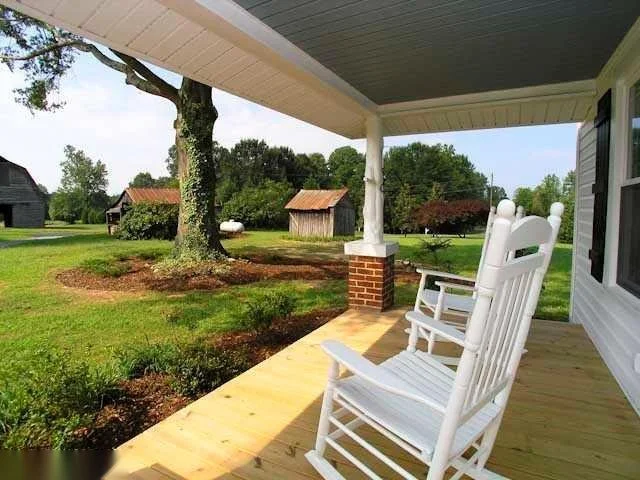
Selling an inherited home in the Piedmont Triad starts with understanding your options.
By Delia Knight, REALTOR® | Howard Hanna Allen Tate Real Estate
TL;DR:
Selling an inherited home in the Piedmont Triad involves more moving parts than a typical sale — probate, title authority, possible co-heirs, and tax considerations among them. This guide walks estate families through the key steps so you can move forward with clarity, not guesswork.
It's More Than a Real Estate Transaction
When a loved one passes and leaves behind a home, selling it rarely feels straightforward. There's grief to carry alongside decisions, and often the pressure of other family members, timelines tied to the estate, and a property that may not have been updated in years. If the inherited home was your parent's, selling a parent's home: a guide for estate families in NC walks through the emotional and practical pieces specific to that situation.
Before diving into the selling process, it helps to understand what's already happened legally. What happens to a house when someone dies in NC covers the foundational pieces — title transfer, probate, and how ownership actually passes — and it's worth a read before you take any next steps.
Make Sure You Have the Legal Authority to Sell
Before anything else, you need to confirm that title to the property has legally transferred and that you have the authority to act on the estate's behalf. If the deceased had a will, it likely needs to go through probate in North Carolina before the home can be transferred or sold. If multiple heirs are involved — siblings, for example — everyone with an ownership interest typically needs to agree before the property can be listed.
If you're serving as executor or personal representative, you'll have specific legal authority to proceed. If you're unsure of your standing, working with a North Carolina estate attorney before you list is a smart first move.
Probate is handled at the county level, so the exact process can vary slightly depending on where the home is located. If the property is in Rockingham County, probate real estate in Rockingham County NC covers the local clerk's office, typical timelines, and what to expect.
Take an Honest Look at the Property
Inherited homes often sit vacant for some time before the sale. Deferred maintenance, dated systems, and personal property left behind are common. Before you can price the home accurately, you need a realistic picture of its current condition — not its sentimental value, and not what it might have fetched a decade ago.
A good agent will help you think through what repairs, if any, are worth making before listing, and what's better left as-is to protect your timeline and budget. Some estate families sell as-is; others invest in targeted updates that return more at closing. There's no universal right answer — it depends on the property, the market, and your goals. You can search current listings in the Piedmont Triad to get a sense of what buyers are seeing in comparable homes right now.
Don't Overlook the Stepped-Up Basis
One of the most important — and frequently overlooked — financial details of selling an inherited home is the stepped-up basis. In most cases, the property's cost basis for tax purposes resets to its fair market value at the time of the original owner's death, not what they paid for it years ago. If you sell near that appraised value, you may owe little to no capital gains tax.
This is one area where a brief conversation with a CPA or tax advisor is worth every minute before you close.
Choose an Agent Who Understands Estate Sales
Inherited property sales require an agent who understands the emotional weight and logistical realities of working with families — not just the mechanics of listing a home. Timelines may be less predictable, multiple decision-makers may be involved, and the property itself may need extra care and creativity to show well. If you're still weighing your options, this guide to selling an inherited home in the Piedmont Triad covers the full picture before you commit to a path.
What the Process Looks Like
Once your legal authority is confirmed and you have a clear picture of the property, the selling process is similar to a traditional home sale — with some additional documentation. The estate will typically need to provide title paperwork, the listing agreement must be signed by the authorized party, and disclosures are handled differently than an owner-occupied sale. It's manageable, especially with the right people guiding you.
Ready to Talk Through Your Options?
If you've inherited a home in the Piedmont Triad, reach out before you make any decisions. Whether you're early in the estate process or ready to list, I can help you understand what your specific situation calls for. Call or text 336-643-2573 or email homes@deliaknight.com.
FAQs
Q: Do you have to go through probate to sell an inherited home in NC?
A: Not always. If the home was jointly owned with right of survivorship, held in a trust, or transferred through a beneficiary deed, it may pass without probate. But if the property was solely in the deceased's name, probate is usually required in North Carolina before the sale can move forward.
Q: How long does it typically take to sell an inherited home in the Piedmont Triad?
A: The timeline depends on where you are in the probate process, the property's condition, and whether multiple heirs are involved. Once you're legally clear to sell, a well-priced inherited home can move in weeks. If you'd like a sense of where the local market stands, you can browse current homes in Reidsville as a reference point.
Q: Can you sell an inherited home as-is in NC?
A: Yes, and it's actually a common choice for estate families. You'll typically price to reflect the condition, and buyers who pursue as-is properties understand what they're stepping into. It's a reasonable path when repairs feel overwhelming or when heirs need to close on a shorter timeline.
Q: What happens if there are multiple heirs who disagree about selling?
A: If co-heirs can't reach an agreement, any heir can petition the court for a partition sale — a court-supervised process that compels a sale. It's a route most families work hard to avoid, but it is available under NC law. If you're navigating a co-heir situation in the Greensboro area, I'm happy to talk through your options — explore what's happening in the Greensboro market while you work through next steps.
Q: Do you owe capital gains tax when you sell an inherited home?
A: In most cases, the stepped-up basis significantly reduces or eliminates capital gains tax if you sell near fair market value at the time of inheritance. Every situation is different, though, and a CPA can tell you exactly where you stand before you close. I can refer you to trusted professionals in the Piedmont Triad if you need a starting point.
Q: Can you sell an inherited home in Greensboro NC if it still has a mortgage on it?
A: Yes. The mortgage doesn't go away when the owner passes — the estate is responsible for continuing payments during probate, and the lender typically needs to be notified of the death. Once you're cleared to sell, the outstanding mortgage balance gets paid off at closing from the sale proceeds, just like a standard sale. The remaining equity then transfers to the heirs based on the will or estate plan.
Q: Is selling an inherited home in Greensboro NC any different from other parts of the Piedmont Triad?
A: The legal and probate process is the same statewide — what changes is the local market. Greensboro sees more buyer activity and typically faster timelines than smaller surrounding towns, which can help a well-priced inherited home move quickly once it's listed correctly. If you'd like a deeper sense of the local landscape before deciding on next steps, Greensboro real estate gives you a working picture of the area.
More on Probate & Inherited Property
Probate Real Estate in Rockingham County, NC
What Happens to a House When Someone Dies in NC?
Selling a Parent's Home: A Guide for Estate Families in NC
How Long Does Probate Take in NC — Selling Timeline Guide
Choosing the Right Estate Sale Agent in the Piedmont Triad
By Delia Knight, REALTOR® | Howard Hanna Allen Tate Real Estate
Delia Knight | Piedmont Triad, NC REALTOR® | Howard Hanna Allen Tate Real Estate
2215 Oak Ridge Rd., Oak Ridge, NC 27310
336-643-2573 | homes@deliaknight.com | DeliaKnight.com