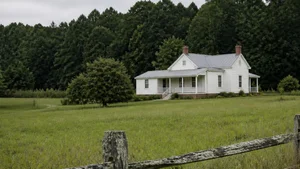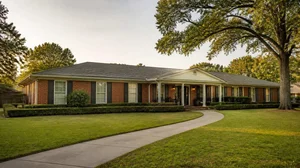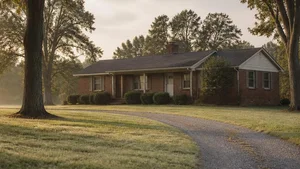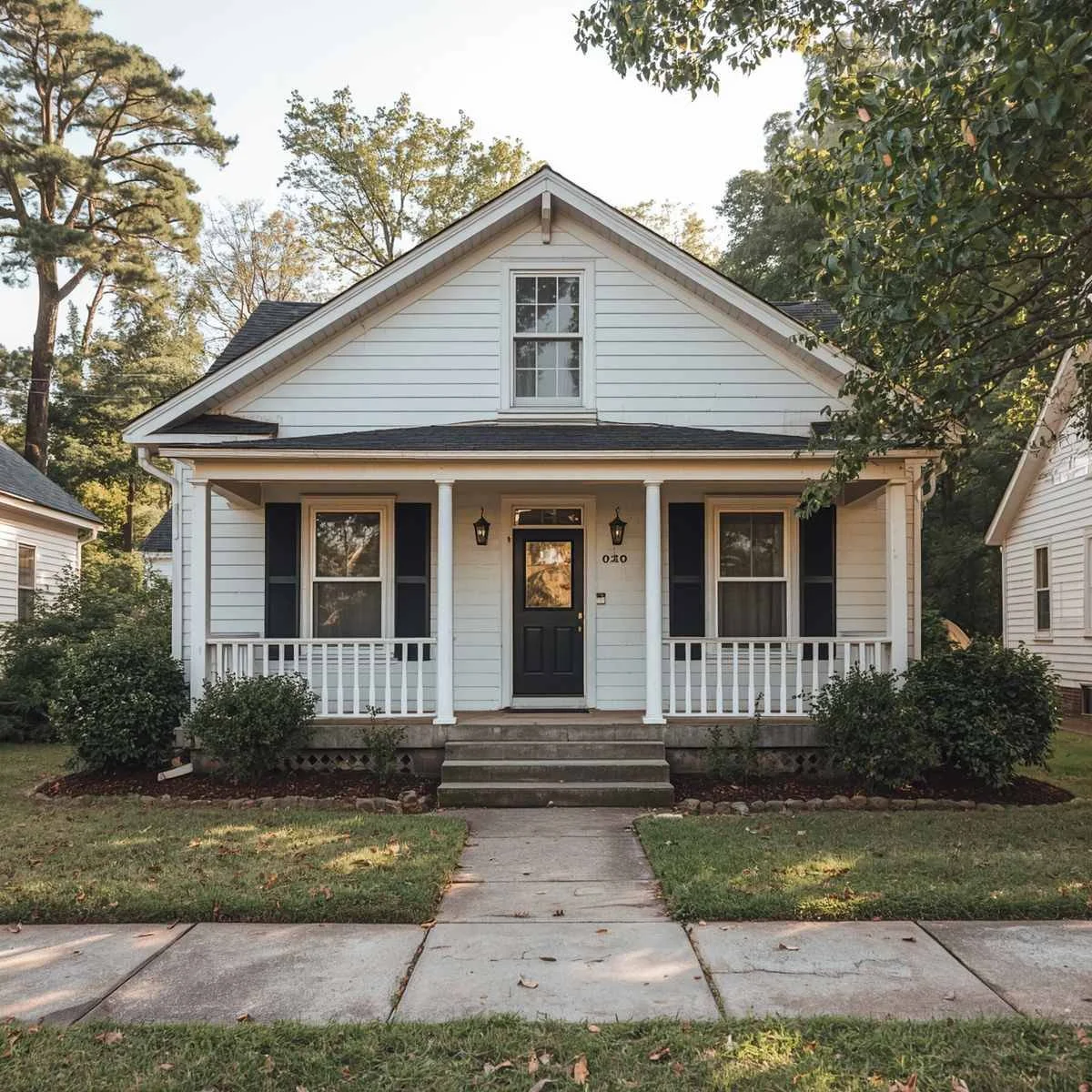
A quiet Piedmont Triad home — the kind many families inherit and decide what to do with. Photo: Delia Knight, REALTOR®, Howard Hanna Allen Tate Real Estate.
By Delia Knight, REALTOR® | Howard Hanna Allen Tate Real Estate
TL;DR:
Most North Carolina probate cases run six to twelve months from start to finish, but that timeline doesn't always have to delay the sale of an inherited home. Knowing where you are in the process — and what's realistic to do next — helps families plan calmly and move forward when the time is right.
The Typical NC Probate Timeline
Most North Carolina estates take somewhere between six and twelve months to close out, and a smaller number stretch longer when there's a will contest, complicated assets, or out-of-state heirs to coordinate. The clock starts once the executor or administrator is appointed by the Clerk of Superior Court and receives Letters Testamentary or Letters of Administration. From that point forward, there's a built-in waiting period for creditors, an inventory of estate assets is filed, debts and taxes are addressed, and the remaining property is distributed to heirs.
If you're a family member who's just starting the process, expect the first month or two to feel slow. Filing the will, getting appointed, and gathering paperwork all take time. Once the executor has formal authority, things tend to move more steadily.
What Slows Probate Down
The 90-day creditor claim period is one of the most predictable parts of the timeline. After notice to creditors is published, that window has to run before final distributions can happen. Other delays usually come from elsewhere — missing original documents, unclear or outdated wills, disagreements among heirs, real property in multiple states, or assets that need to be appraised before they can be sold or divided.
Tax filings also add time. Federal and state final returns, plus an estate income tax return when applicable, all need to be addressed before the estate can be formally closed. None of this is unusual, but it explains why even straightforward estates rarely wrap up in just a few months.
When You Can List vs. When You Can Close
Here's the part most families want to understand: you don't have to wait until probate is finished to list the home. Once the executor or administrator has Letters from the Clerk and the will (or intestate process) gives them authority to sell real property, the home can usually be listed for sale.
Closing is a different question. A buyer's title company will want to see the Letters, the recorded death certificate, the will if there is one, and confirmation that the seller has authority to convey the property. In many cases, the home can close while probate is still open, as long as the title company is satisfied that the seller can deliver clean title. This is one of the most common questions I get from estate families in the Piedmont Triad, and the answer is often more flexible than they expect.
Why Estates Sometimes List Before Probate Closes
Carrying an empty house for six to twelve months is expensive. Mortgage payments, property taxes, insurance, utilities, and basic upkeep all keep running whether the home is occupied or not. For many estates, listing the home a few months into probate makes more financial sense than waiting until everything is finalized.
There are situations where it's worth waiting — for example, if there's still uncertainty about who has authority, if the will is being contested, or if heirs need more time to clear personal belongings. But in most uncomplicated estates, an early listing protects the value of the property and reduces the financial drag on the family. If you're weighing this decision, it's worth a conversation with the estate attorney and a REALTOR® who's worked through probate sales before. For a fuller walkthrough of how the whole process works from start to finish, see the pillar guide on what happens to a house when someone dies in NC.
Working with the Right People to Move Forward
Probate sales aren't more difficult than standard sales, but they do involve more documents, more parties, and a closer relationship between the listing agent, the estate attorney, and the title company. Families who've been through it usually say the same thing afterward: having people on the team who've done it before made the difference.
If you'd like to think through what your timeline could look like, I'm happy to walk you through where things stand and what the next steps might be — without any pressure to list before you're ready. You can also explore how to sell an inherited home in the Piedmont Triad for a deeper look at the selling process itself.
When you're ready to talk through your situation, reach out for a quiet, no-pressure conversation. Probate is rarely simple, but it's usually more manageable than families expect once they have the right plan.
FAQs
Q: How long will probate take if you're handling a typical NC estate?
A: Most North Carolina estates close in six to twelve months once the executor is appointed and the 90-day creditor period runs. Estates with contested wills, out-of-state heirs, or complicated assets can take longer.
Q: Can you list your inherited home before probate is finished in NC?
A: In most cases, yes — once the Clerk of Superior Court issues Letters Testamentary or Letters of Administration giving you authority over the property. If you're navigating an estate sale in the Piedmont Triad, you can explore homes and recent activity in Greensboro to get a feel for the local market while you plan.
Q: What happens if your home sells before probate closes?
A: The home can often close during open probate as long as the title company confirms you have authority to convey the property. They'll review the Letters, death certificate, will, and any other documents needed to deliver clean title to the buyer.
Q: Should you wait to list your inherited home until probate is fully closed?
A: Usually no — carrying an empty home for six to twelve months adds real cost in taxes, insurance, and upkeep, so most families list earlier in the process. If the property is in a smaller Rockingham County town, you can browse what's currently selling in Reidsville to start gauging your local market.
Q: Who should you talk to first if you're managing an estate sale in NC?
A: Most families start with the estate attorney to confirm authority and timeline, then bring in a REALTOR® who's worked probate sales before. Together they can map out a realistic plan that fits the estate and the family.
More on Probate & Inherited Property
Probate Real Estate in Rockingham County, NC
What Happens to a House When Someone Dies in NC?
How to Sell an Inherited Home in the Piedmont Triad
Selling a Parent's Home: A Guide for Estate Families in NC
By Delia Knight, REALTOR® | Howard Hanna Allen Tate Real Estate
Delia Knight | Piedmont Triad, NC REALTOR® | Howard Hanna Allen Tate Real Estate
2215 Oak Ridge Rd., Oak Ridge, NC 27310
336-643-2573 | homes@deliaknight.com | DeliaKnight.com