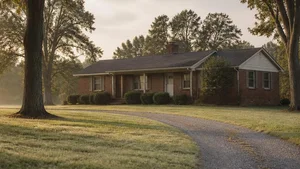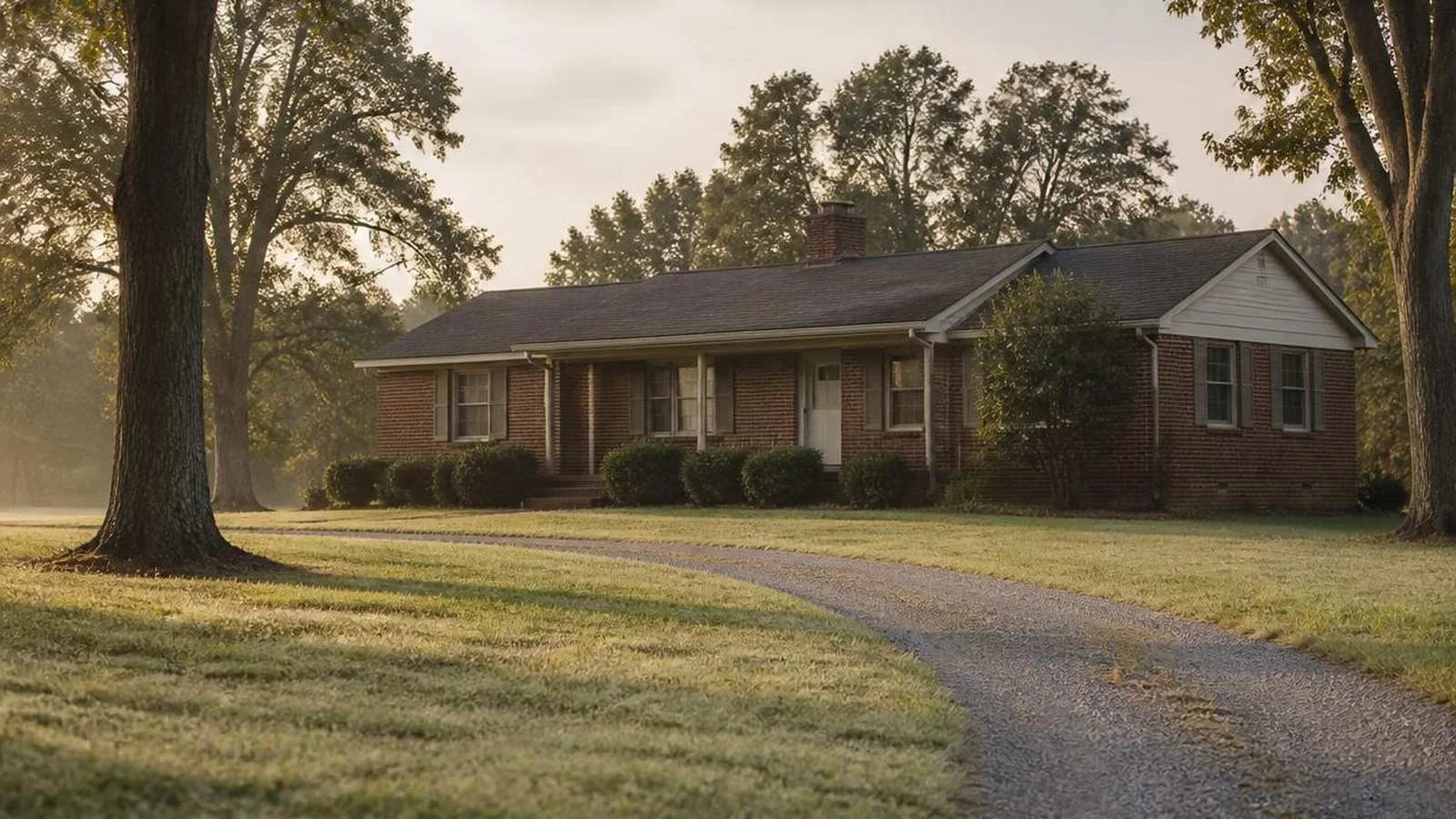
A quiet brick ranch home on a rural North Carolina property at sunrise. Delia Knight, REALTOR® | Howard Hanna Allen Tate Real Estate | Piedmont Triad, NC
By Delia Knight, REALTOR® | Howard Hanna Allen Tate Real Estate
TL;DR:
Not every inherited home in North Carolina goes through probate. Whether the property moves through the estate or transfers directly to a survivor determines who has legal authority to sign a deed, how soon you can list, and what the closing attorney will require. Identifying which category the property falls into is the first step — before pricing, before repairs, before anything else.
What Is Probate Property in North Carolina?
Probate property is anything the person who died owned in their own name alone, with no surviving co-owner on the deed and no beneficiary designation attached to it. A house titled solely to the deceased owner is the most common example, and it's the situation most heirs in the Piedmont Triad find themselves in.
North Carolina handles real estate a little differently than many states. Title to real property passes to the heirs or devisees at the moment of death, automatically. But that title isn't clean yet. The personal representative retains the ability to bring the property back into the estate to satisfy debts and creditor claims, and that window stays open for up to two years after death. Closing attorneys know this, title underwriters know this, and it's why an estate sale generates paperwork that an ordinary sale never does. If you want the full picture of how that process unfolds, I walk through it in what happens to a house when someone dies in NC.
Does Your Inherited Home Automatically Avoid Probate in NC?
Sometimes, yes — and when it does, the path to closing is dramatically shorter. Four arrangements commonly keep a North Carolina home out of probate entirely.
Married couples who held the property as tenants by the entirety transfer full ownership to the surviving spouse automatically. Co-owners who held title as joint tenants with right of survivorship do the same, though North Carolina requires that survivorship language be stated expressly on the deed — it isn't assumed. A home titled in the name of a revocable living trust passes according to the trust document, with the successor trustee holding signing authority. And a properly drafted life estate deed transfers to the remainderman at death.
One thing surprises owners who relocated here from other states: transfer-on-death deeds for real estate aren't a tool North Carolina makes available the way some states do. If a loved one moved here assuming they could name a beneficiary directly on the deed and skip probate that way, it's worth confirming with an estate attorney what actually happened with the title.
Why the Difference Changes How You Sell a Piedmont Triad Estate Home
With non-probate property, the surviving owner or trustee already holds authority to sign. Once the death certificate is recorded, you can list. Timing is your own decision.
With probate property, someone has to be legally empowered to convey the deed. That usually means the Clerk of Superior Court issuing Letters Testamentary or Letters of Administration, or every heir signing together, or in some cases a court-ordered sale to create assets. Each route carries its own timeline, and the two-year creditor window influences what a title company will insure and what a buyer's lender will accept. Estate timelines vary widely — I break down what actually drives the calendar in how long probate takes in NC.
What Should You Do Before Listing an Inherited Home in the Piedmont Triad?
Pull the deed first. Everything else follows from what the vesting language says.
Deeds are public record at the Register of Deeds in Rockingham, Guilford, Forsyth, and Stokes counties, and most are searchable online. Read how the owners are named and look for survivorship wording. Then take that deed to an estate attorney before you make any decisions about the property — I'm a REALTOR®, not an attorney, and the classification question is genuinely a legal one. Once your authority to sell is settled, we can have the productive conversation about condition, pricing, and market timing.
If you're sorting through an inherited property in the Piedmont Triad and aren't sure where it stands, start with my guide to selling an inherited home in the Piedmont Triad, then reach out. I've worked with heirs and executors across all four counties, and there's no pressure to move faster than you're ready to. When you do want to see what comparable homes are doing, you can browse current listings any time.
FAQs
Q: How do you know if your inherited home has to go through probate in NC?
A: Look at the deed and see how the property was titled. If the deceased owner was the only name on it with no survivorship language, it's probate property; if there's a surviving co-owner with express survivorship rights, a trust, or a life estate, it likely isn't.
Q: Can you sell your inherited home before probate is finished in North Carolina?
A: Often yes, once the personal representative has Letters from the Clerk of Superior Court or all heirs are willing to sign together. Closing attorneys handle this regularly, and estate properties in Reidsville and across Rockingham County sell mid-probate all the time.
Q: Does your surviving spouse need probate to sell the house?
A: If the two of you held the property as tenants by the entirety, no — ownership transfers automatically and only the death certificate needs to be recorded. If the home was titled in one name alone, probate is still required even for a spouse.
Q: Will a buyer's lender have a problem with your probate property?
A: Not usually, though the title company will confirm the personal representative's authority and account for the estate's creditor window before insuring the transaction. Estate homes close successfully throughout the Triad, including in Oak Ridge, when the paperwork is lined up early.
Q: What if you and the other heirs disagree about selling?
A: When heirs hold title jointly and can't reach agreement, the matter typically goes to the Clerk of Superior Court, sometimes as a partition proceeding. An estate attorney should be your first call before anyone lists or refuses to list.
By Delia Knight, REALTOR® | Howard Hanna Allen Tate Real Estate
Delia Knight | Piedmont Triad, NC REALTOR® | Howard Hanna Allen Tate Real Estate
2215 Oak Ridge Rd., Oak Ridge, NC 27310
336-643-2573 | homes@deliaknight.com | DeliaKnight.com